Blog
May 6, 2026
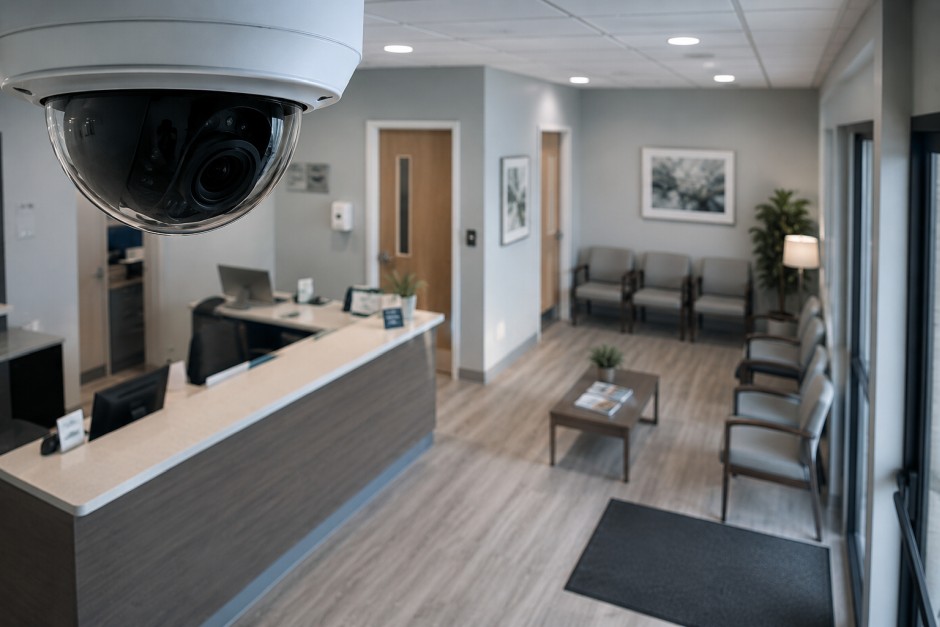
Medical offices face unique security challenges. Between protecting patients, securing medications, preventing liability claims, and maintaining HIPAA compliance, healthcare facilities in Ohio need carefully planned surveillance systems — not just basic cameras mounted on walls.
Whether you operate a dental office, urgent care center, physician practice, outpatient clinic, or specialty medical facility in Dayton or throughout Ohio, understanding commercial security camera requirements can help protect your staff, patients, and business. For full-service design and installation, see HSI Security’s healthcare facility security in Ohio program.
Healthcare facilities experience a wide range of security risks, including:
Theft of medications or equipment
Unauthorized access to restricted areas
Workplace violence incidents
Patient disputes and liability claims
Vandalism and break-ins
Parking lot safety concerns
Employee safety incidents
A professionally installed surveillance system helps deter criminal activity while providing valuable video evidence if an incident occurs.
Ohio does not have a universal law requiring all medical offices to install surveillance cameras. However, many healthcare facilities implement security systems because of:
Insurance requirements
Liability protection
OSHA workplace safety concerns
Controlled substance security recommendations
Patient and employee safety standards
In some cases, specialized healthcare facilities may also have additional compliance requirements depending on their services and certifications.
One of the biggest concerns for healthcare providers is HIPAA compliance.
HIPAA does not prohibit security cameras, but medical offices must ensure cameras do not improperly expose protected health information (PHI).
Security cameras are generally appropriate in:
Building entrances and exits
Parking lots
Waiting rooms
Reception areas
Hallways
Exterior perimeters
Pharmacies and medication storage areas
Employee-only areas
Medical offices should avoid placing cameras in areas where patients expect privacy, including:
Exam rooms
Procedure rooms
Bathrooms
Changing rooms
Recording audio can also create additional legal concerns. Ohio is a one-party consent state for audio recordings, but healthcare environments often require extra caution due to patient privacy regulations.
Healthcare facilities often require more advanced surveillance capabilities than standard office buildings.
Clear footage is essential for identifying individuals and documenting incidents. Modern medical offices commonly use:
4MP cameras
4K ultra-HD cameras
Wide dynamic range (WDR) cameras
Medical offices that operate after hours or have poorly lit parking areas benefit from infrared night vision cameras.
Administrators and property managers can monitor facilities remotely using secure mobile apps or web portals.
Many medical offices integrate cameras with:
Keycard systems
Electronic door locks
Video intercom systems
Visitor management systems
This creates a more secure environment for staff and patients.
Medical facilities should work with their security provider to determine appropriate video retention periods based on:
Insurance requirements
Internal policies
Incident investigation needs
Storage capacity
Cloud-based and hybrid storage systems are becoming increasingly popular because they provide secure offsite backups.
A properly designed system should eliminate blind spots and focus on high-risk areas.
Front entrances
Reception desks
Waiting rooms
Hallways
Medication storage areas
IT/server rooms
Employee entrances
Parking lots
Building exteriors
Loading or delivery areas
Modern security cameras are connected devices, which means cybersecurity is critical.
Poorly secured surveillance systems can create vulnerabilities for healthcare networks.
Medical offices should ensure:
Cameras use encrypted connections
Default passwords are changed
Firmware is updated regularly
Systems are segmented from sensitive healthcare networks
Remote access is secured with multi-factor authentication
Working with a professional commercial security installer helps reduce cybersecurity risks.
Medical offices cannot afford unreliable surveillance systems.
Professional installers help ensure:
Proper camera placement
HIPAA-conscious system design
Secure network configuration
Reliable recording coverage
Scalable infrastructure for future growth
An experienced commercial security provider can also recommend surveillance solutions tailored to healthcare environments.
Healthcare providers in Dayton and throughout Ohio face increasing pressure to improve security while maintaining patient privacy and regulatory compliance.
Whether you operate a small clinic or a large multi-provider practice, a modern commercial surveillance system can help protect:
Patients
Employees
Property
Sensitive areas
Business operations
A properly designed security camera system is more than a deterrent — it is an essential part of modern healthcare facility security.
If your medical office is considering upgrading or installing a surveillance system, working with an experienced commercial security company can help ensure your facility remains secure, compliant, and professionally protected.
Schedule a commercial security assessment to learn which camera systems, access controls, and monitoring solutions are best for your healthcare facility.
Call us today (855) 479-8958 to discuss commercial security cameras for your Ohio medical office.


